
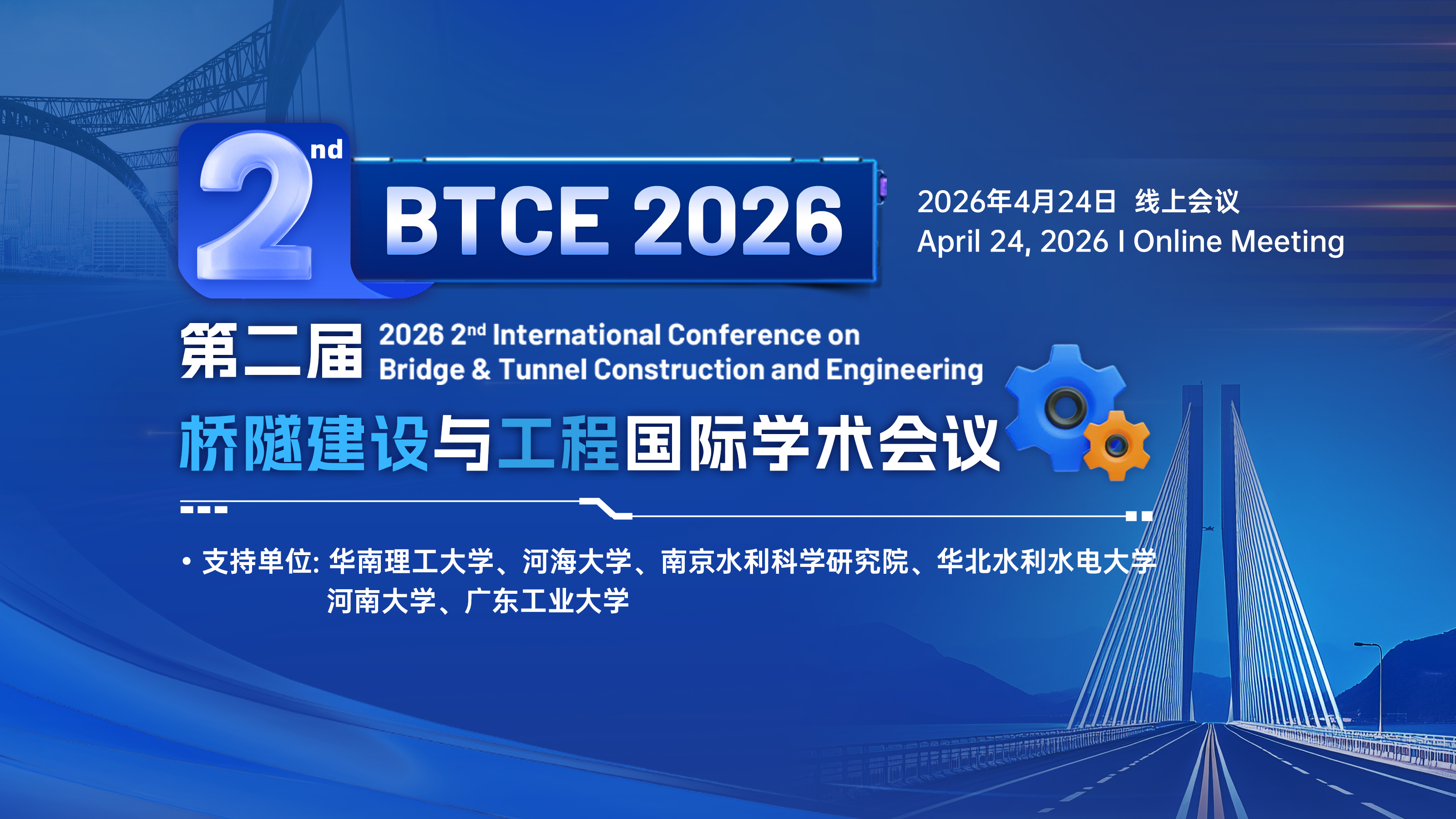

The conference opened with a warm welcome by the host, who introduced the day’s schedule and guided participants through the online etiquette, including camera activation for a group photo following the first speech.

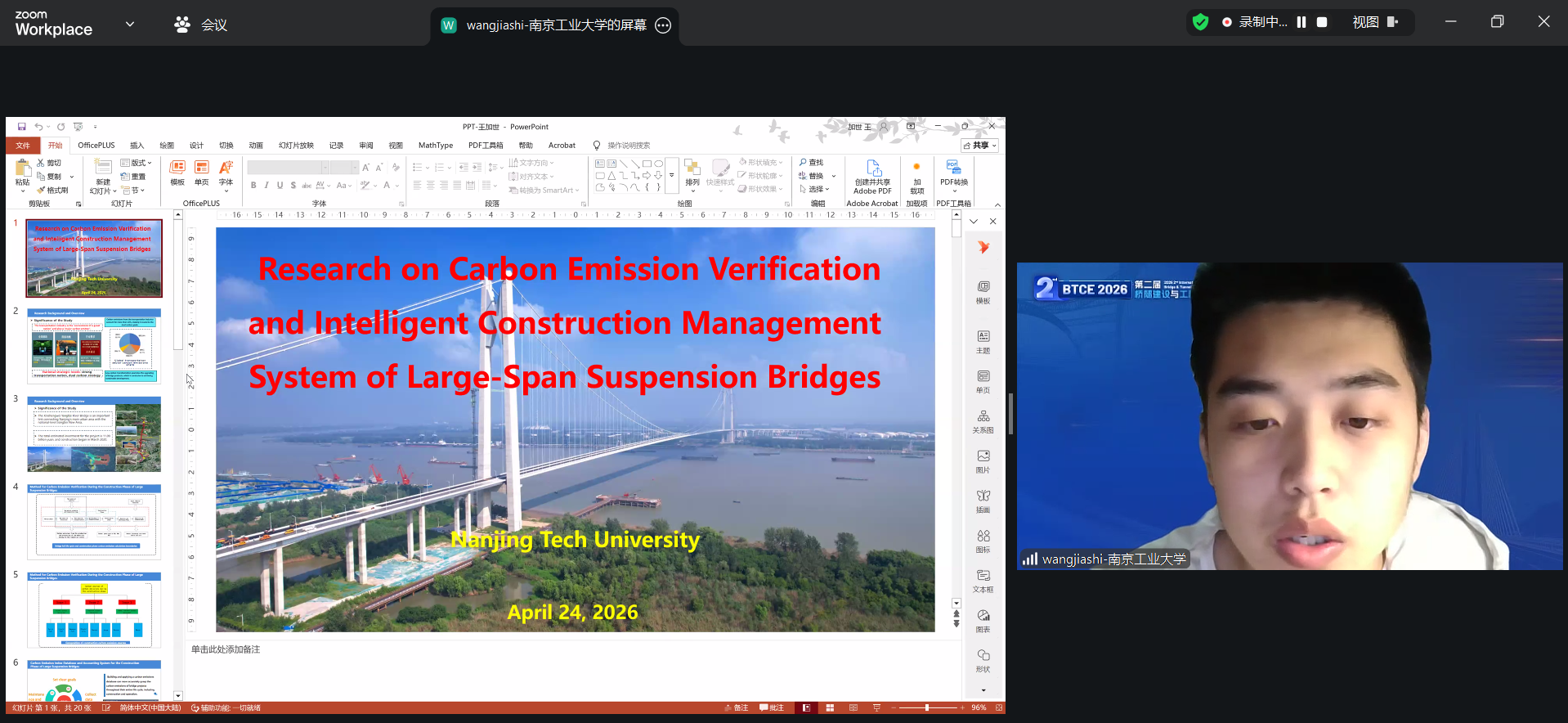
“Accounting Technology and Trends for Carbon Reduction in Bridge Construction, Maintenance, and Operation” – Highlighting financial and technological strategies for lowering carbon emissions throughout the bridge lifecycle.
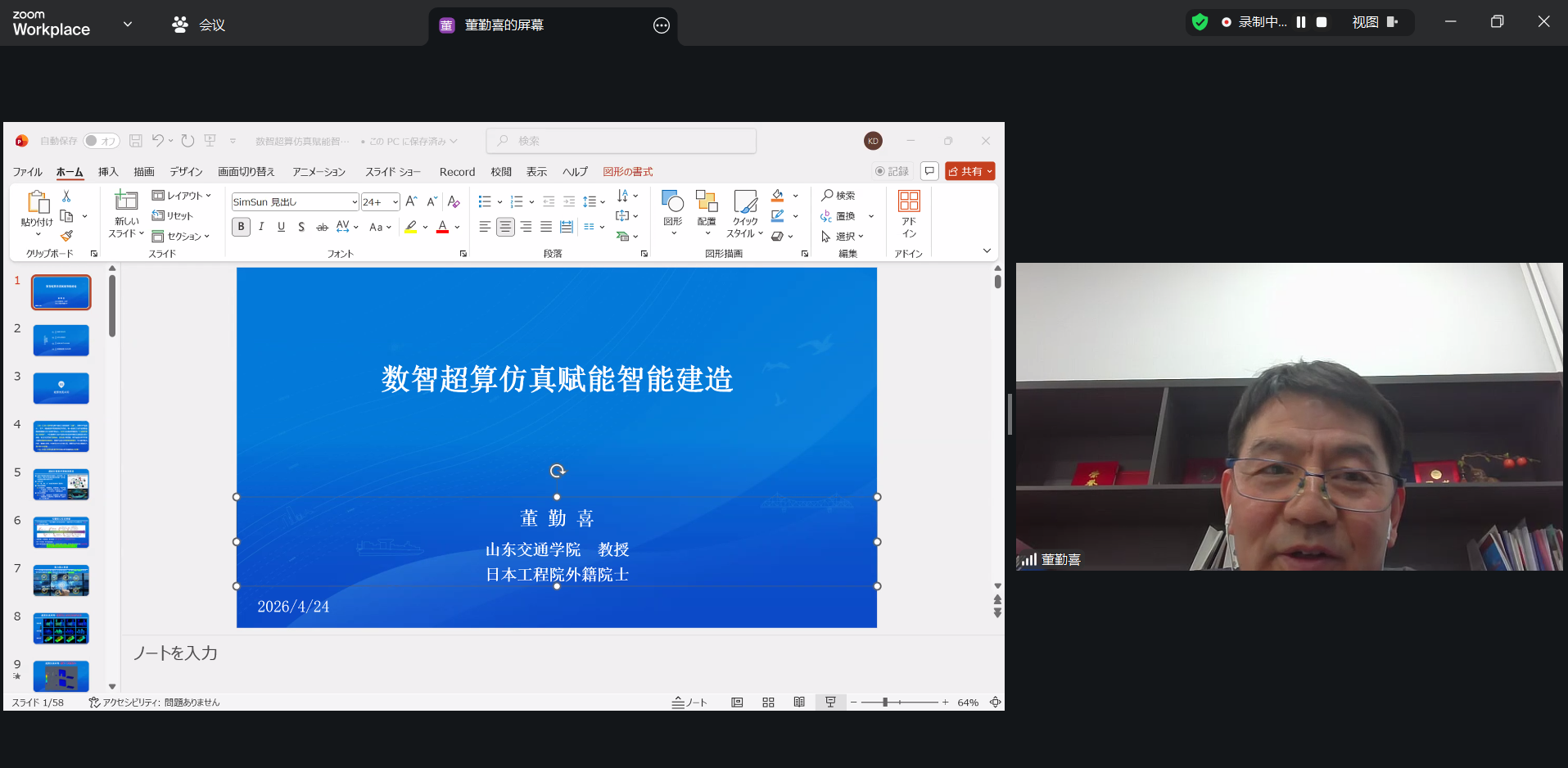
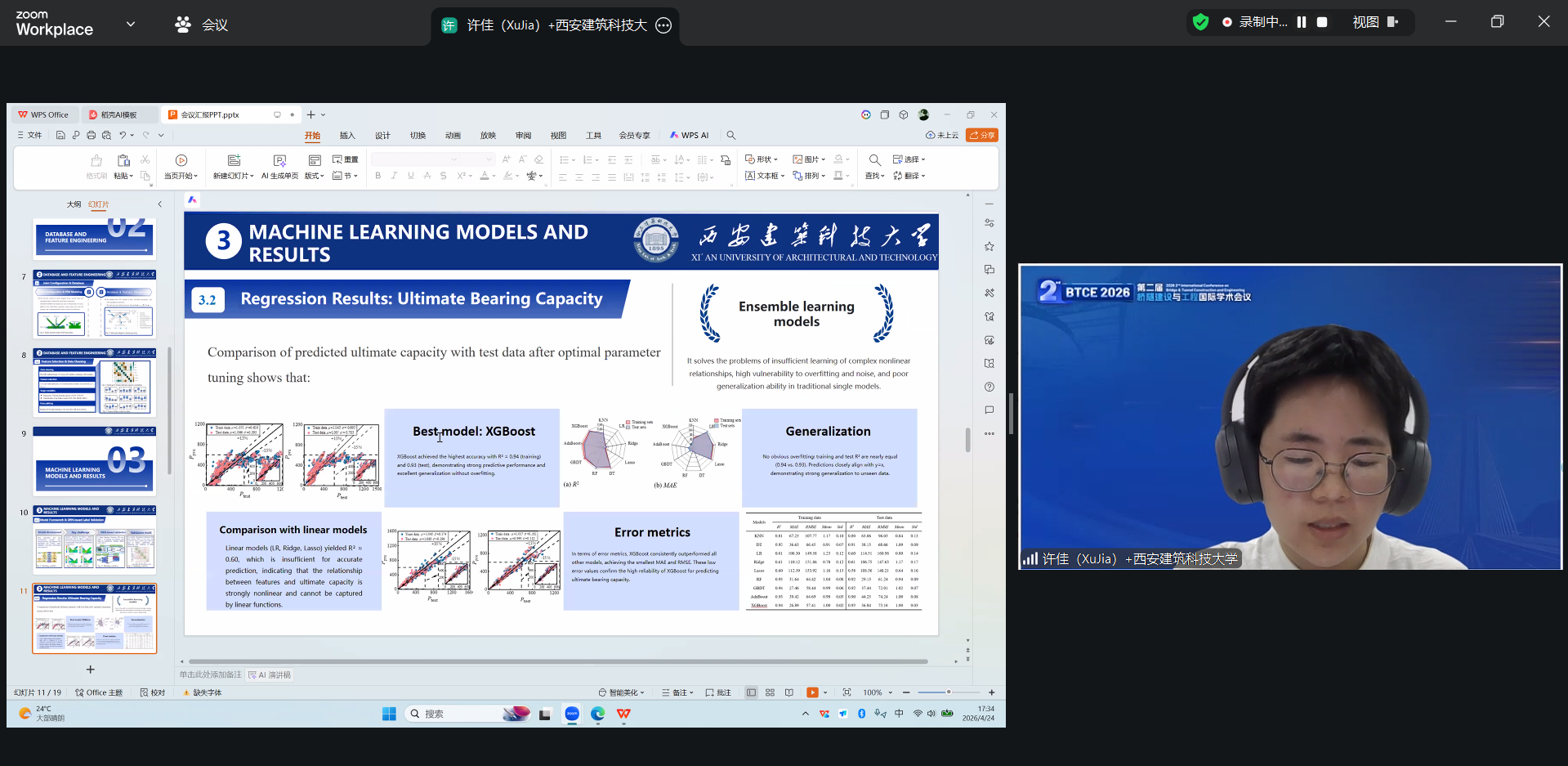
“Digital and Intelligent Supercomputing Simulation Empowers Intelligent Construction” – Demonstrating how high-performance computing and digital twins are transforming construction efficiency and safety.

“Research on Rapid Assessment and Emergency Response Technology for Highway Slope Disasters Integrating Multi-source Sensing and Deep Learning” – Presenting cutting-edge methods for real-time disaster monitoring and response.
 |  |
 |  |
 |  |
 |  |
 |  |
The conference underscored the growing importance of low-carbon construction, intelligent simulation, and deep learning–based disaster response in modern infrastructure. With global attention on carbon neutrality and climate resilience, the research shared at BTCE 2026 offers actionable pathways for reducing emissions in bridge maintenance, improving construction safety through digital tools, and rapidly responding to geotechnical hazards—directly benefiting engineering practice, policy making, and public safety.
At the conclusion of the academic program, the host expressed gratitude to all speakers and participants. Attendees were invited to contact the conference secretariat for further collaboration.
BTCE 2026 not only showcased innovative research but also fostered global dialogue on making bridge and tunnel engineering safer, greener, and smarter.